Swordtember - Myths & Legends
Compilation of the 2021 Swordtember, a challenge to design a different sword each day of September. I focused mine on mythology from around the world and tried to design functional swords that could have been designed around the era on which each myth is set.

Title

Ame-no-Habakiri: One of the swords of Japanese god Susanoo. Based on the typology of the chokuto.
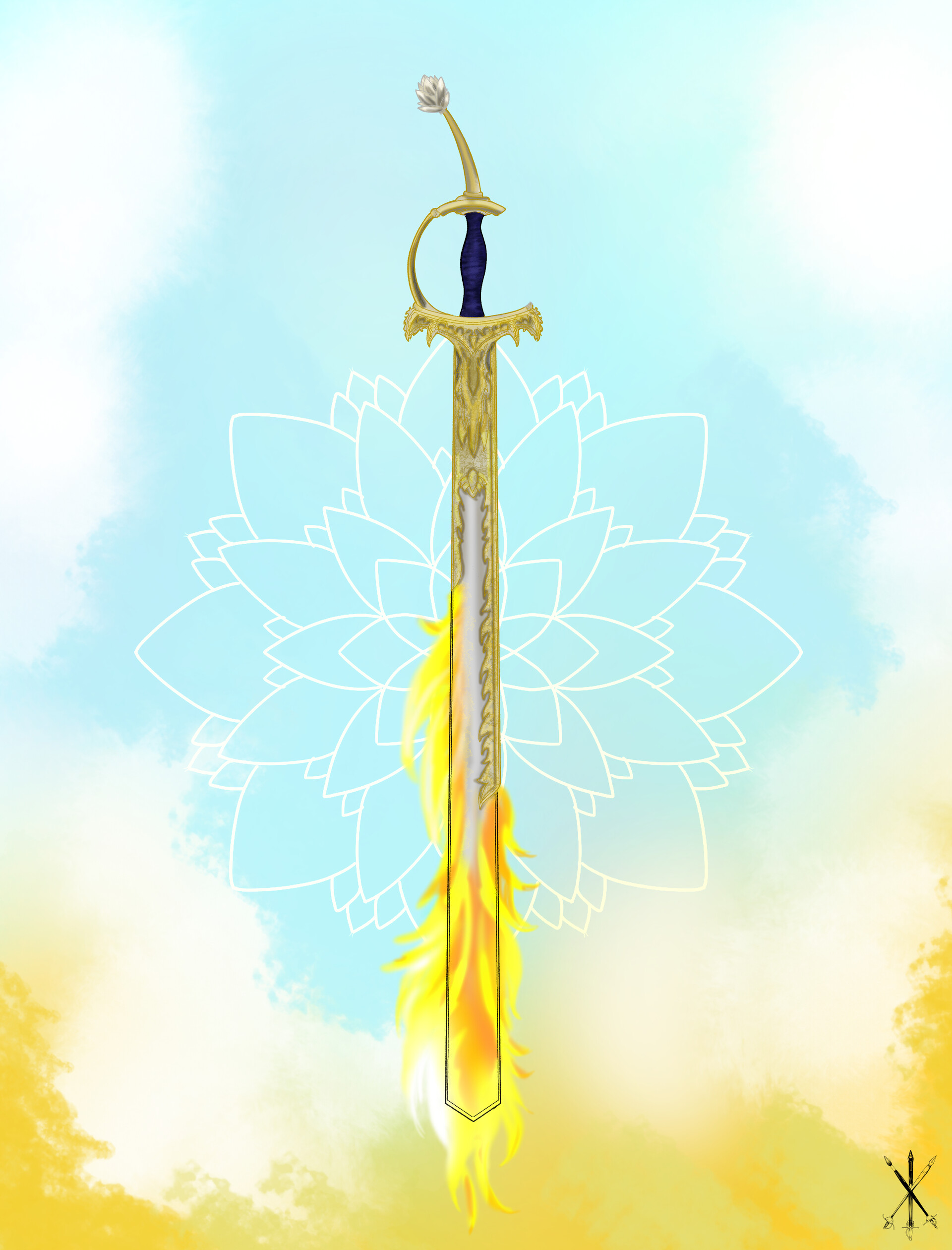
Asi: The first and greatest of swords in the hindu Mahabharata, sword of Brahma. Based on the khanda.
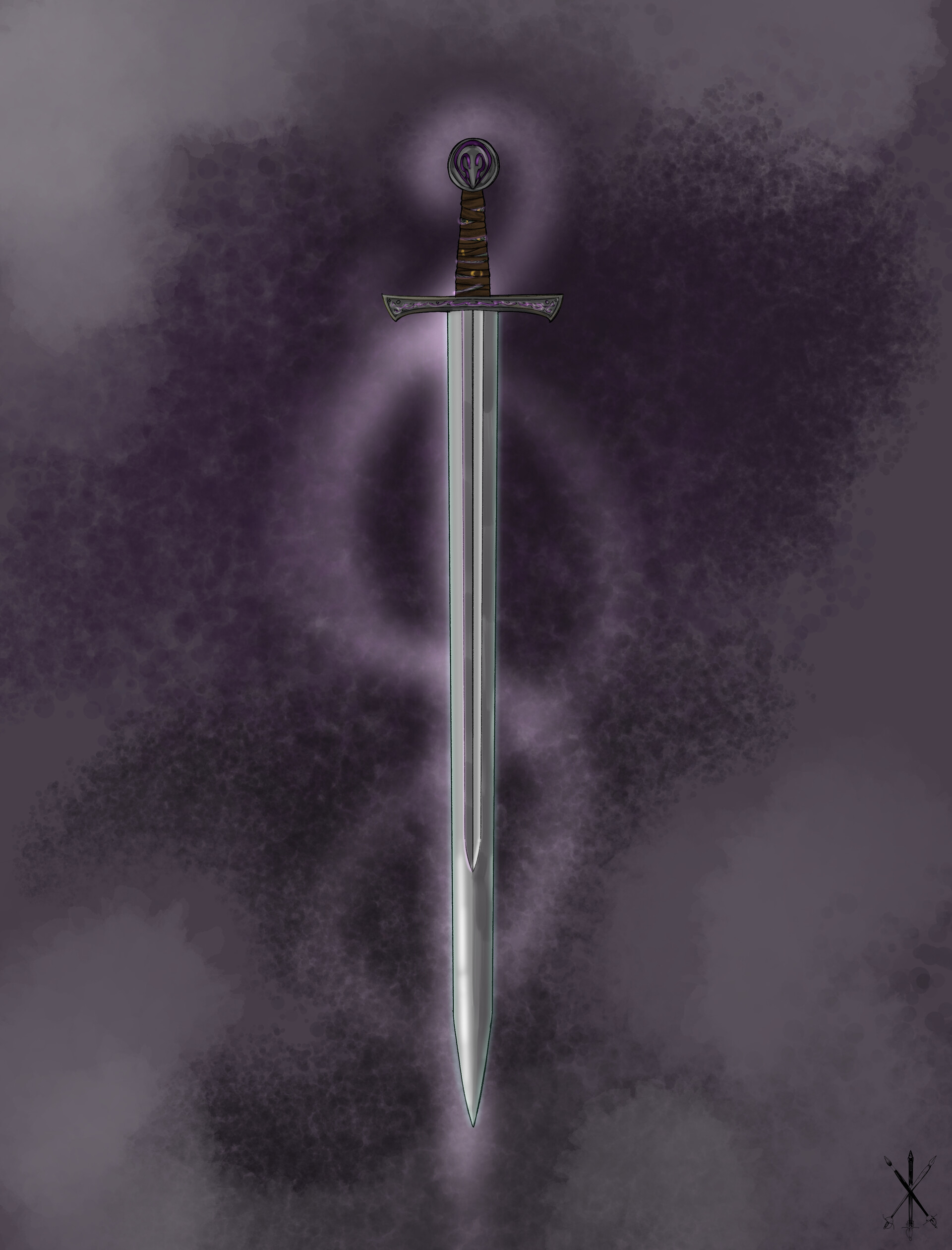
Balisarda: Sword of Ruggiero, from Orlando Furioso. Based on late carolingian swords.
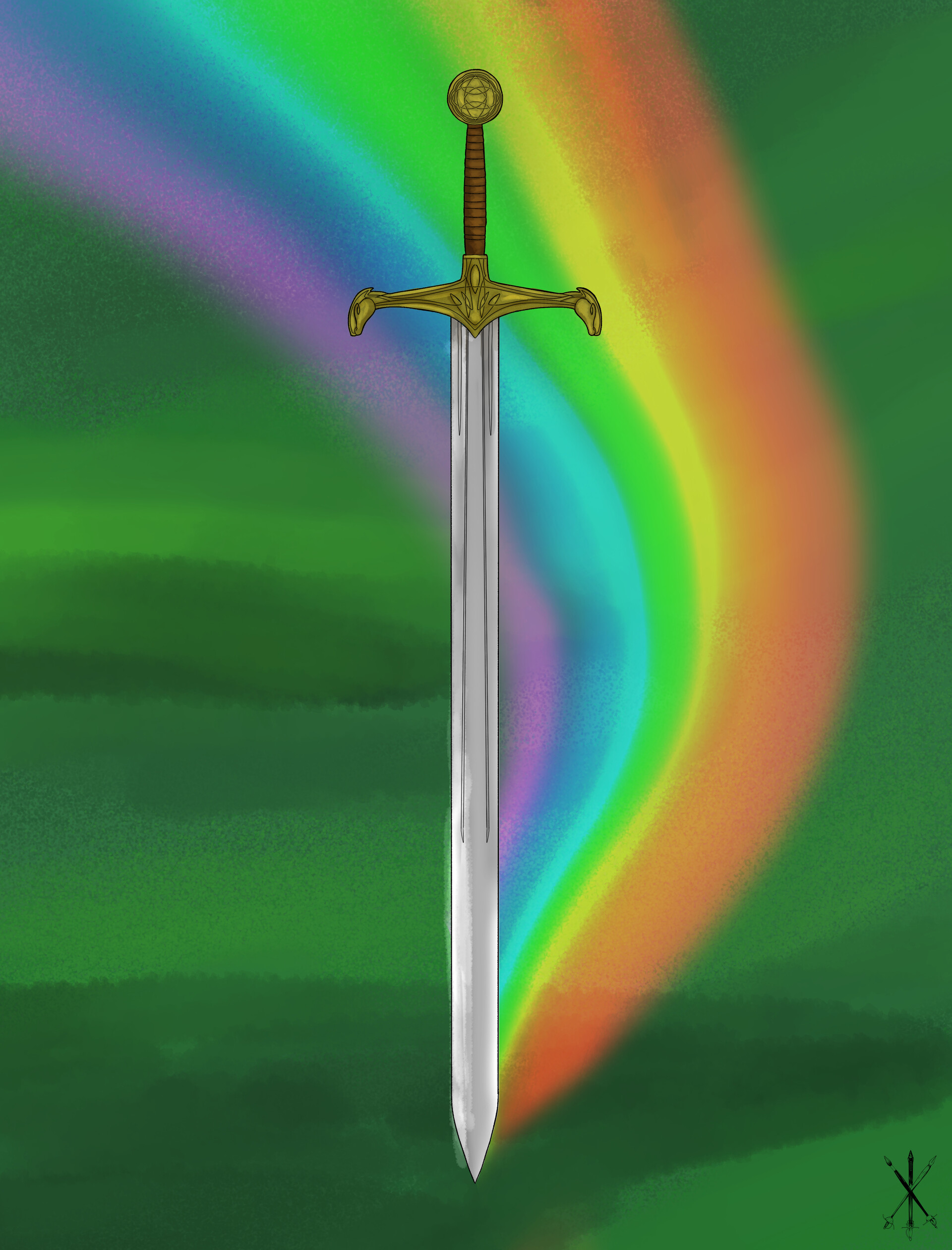
Caladbolg: Sword of Fergus mac Róich, of the Ulster Cycle. Based on Gallowglass double-handed swords.
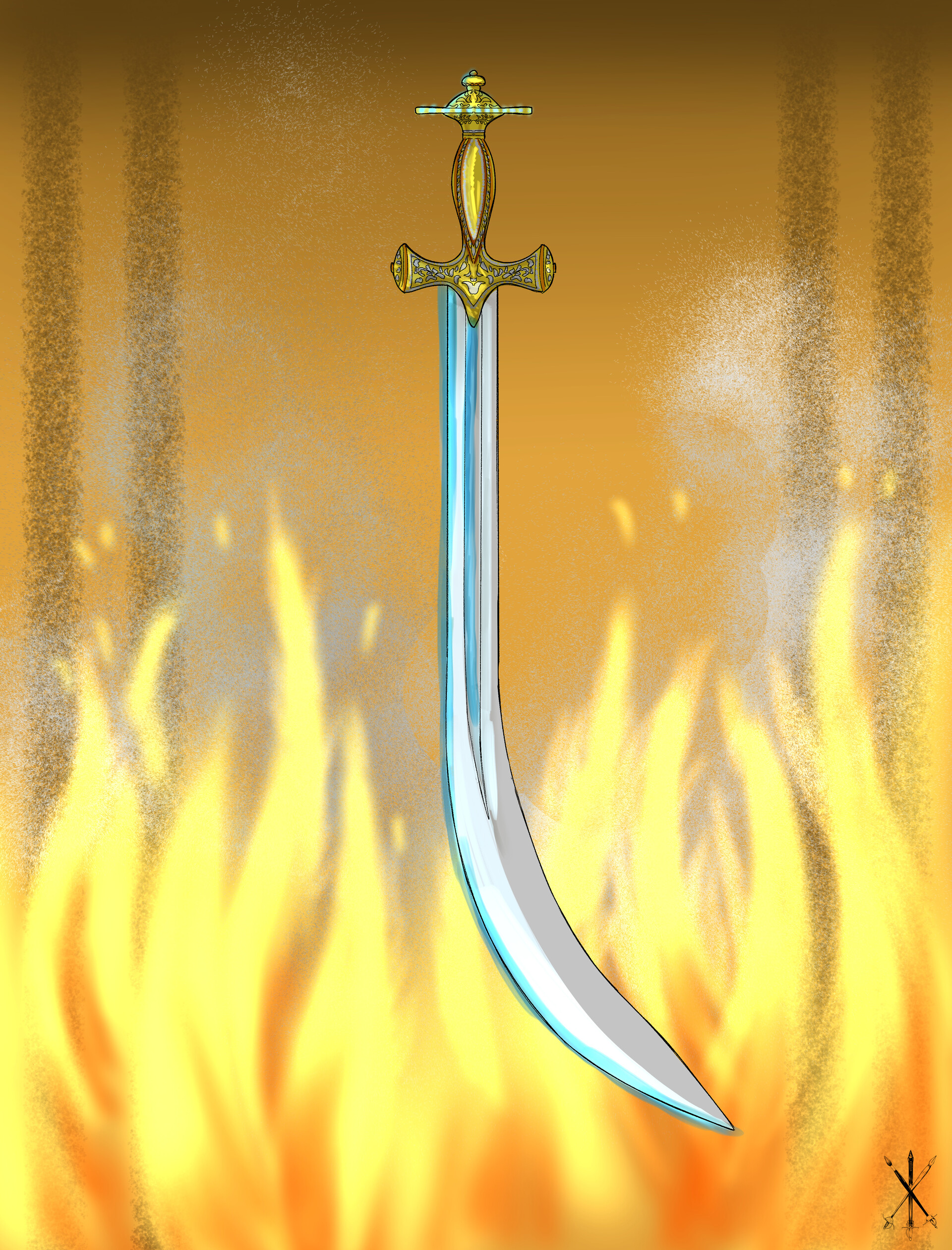
Chandrahas: The sword that Shiva gave the demon king Ravana after he atoned for disturbing him and Parvati. Based on the indian tegha.
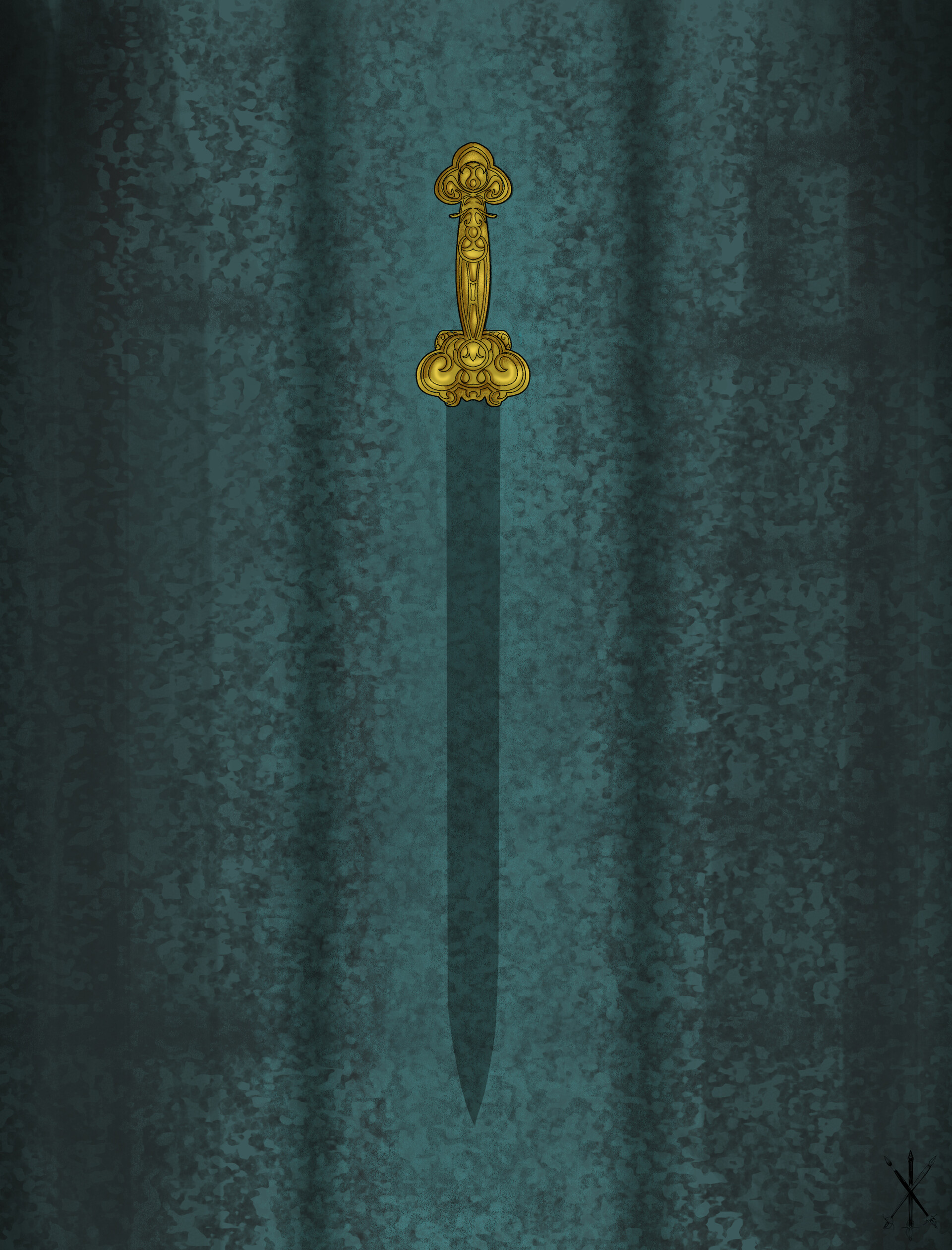
Cheng Ying: One of the legendary Chineses swords, this one being so light and graceful its blade couldn't even be seen. Hilt based on designs from the bronze age.

Claíomh Solais: A trope from Celtic mythology, the sword of light that could defeat all evil. Based on straight bronze age swords and antennae swords from Ireland.

Clarent: The "other" great sword of King Arthur besides Excalibur. Based on early medieval western European swords, with a ceremon

Dáinsleif: A cursed sword owned by king Hogni, from norse mythology.

Fragarach: The sword of legendary Tuatha Dé Danann king Nuada Airgétlam (silver-arm). Based upon ancient celtic antennae swords.

Gan Jiang: One of the legendary Chinese swords, half of the famous pair Gan Jiang and Mo Ye. Based on early bronze age Chinese swords.
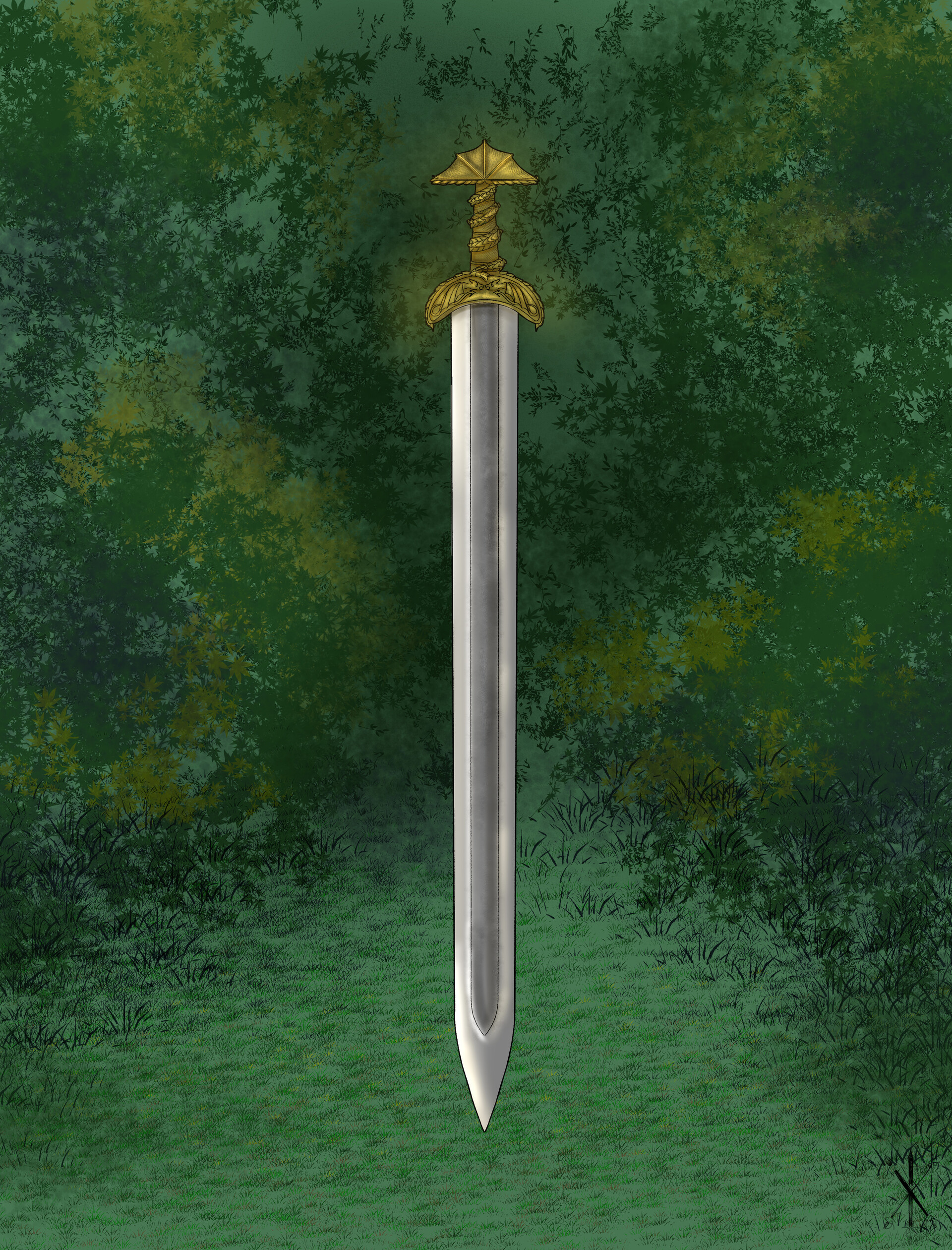
Gram: The sword of Sigurd, from the Ring of the Nibelungs saga. Based on early medieval northern Europe swords.

Harpe: A type of sword is often mentioned in Greek mythology. Based on Assyrian sickle swords.

Hauteclere: The sword of Olivier, from the French Chanson the Roland. European carolingian sword.
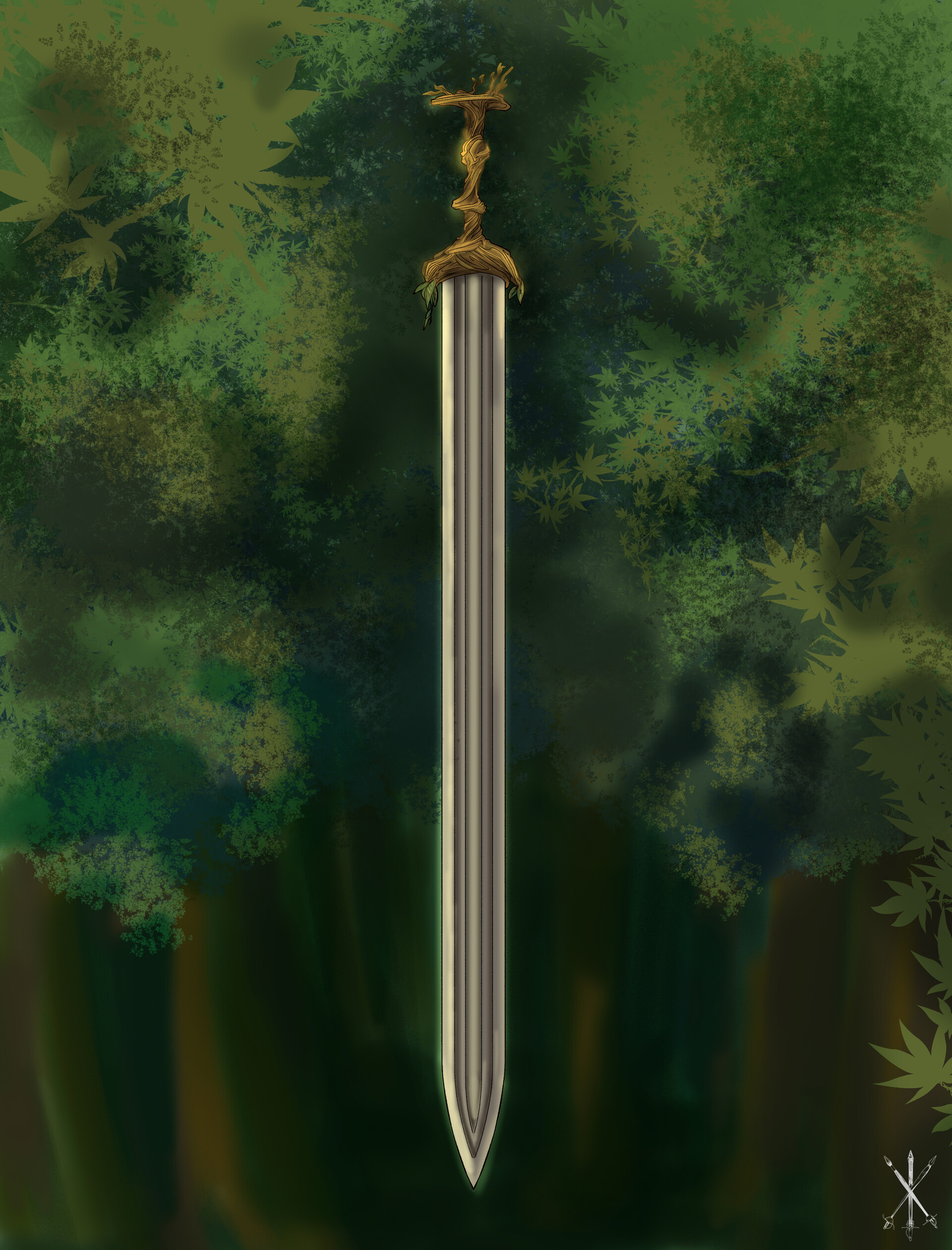
Huàying: One of the magical swords of mythical Chinese emperor Zhuanxu. Based on bronze age Chinese swords.
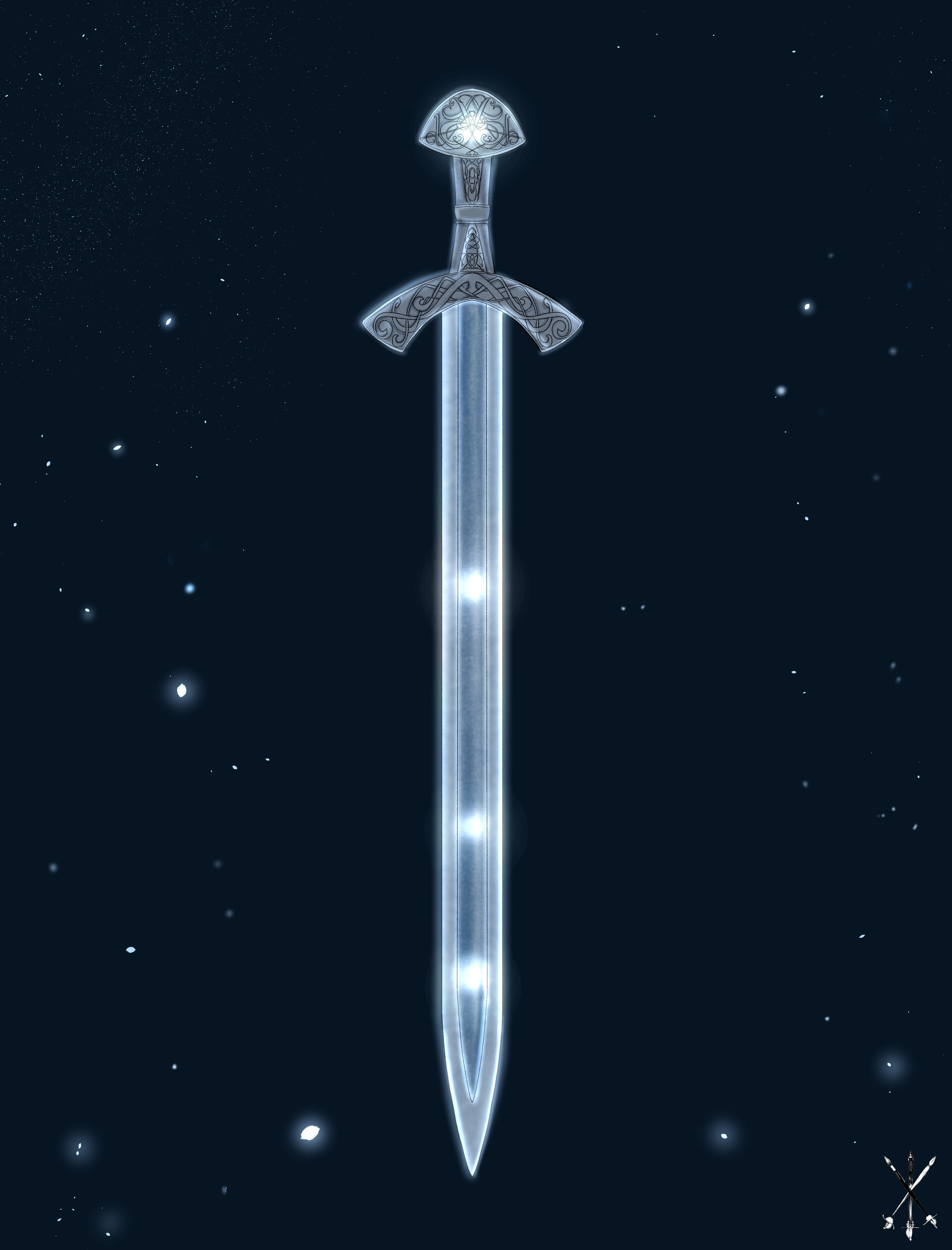
Kalevan Miekka: The sword of Kaleva, the primordial creator figure from Finnish mythology. Based on ancient Norse swords from Finnish excavation sites.

Kogitsune-maru: Literally translates as "the small fox", made by Kokaji Munechika with the help of god of fertility Inari-Myōjin. Based on tachi Japanese swords.

Kusanagi-no-Tsurugi: The sword of sun goddess Amaterasu, from Japanese mythology. Based on very early double-edged japanese swords (directly evolving from the Chinese jian).
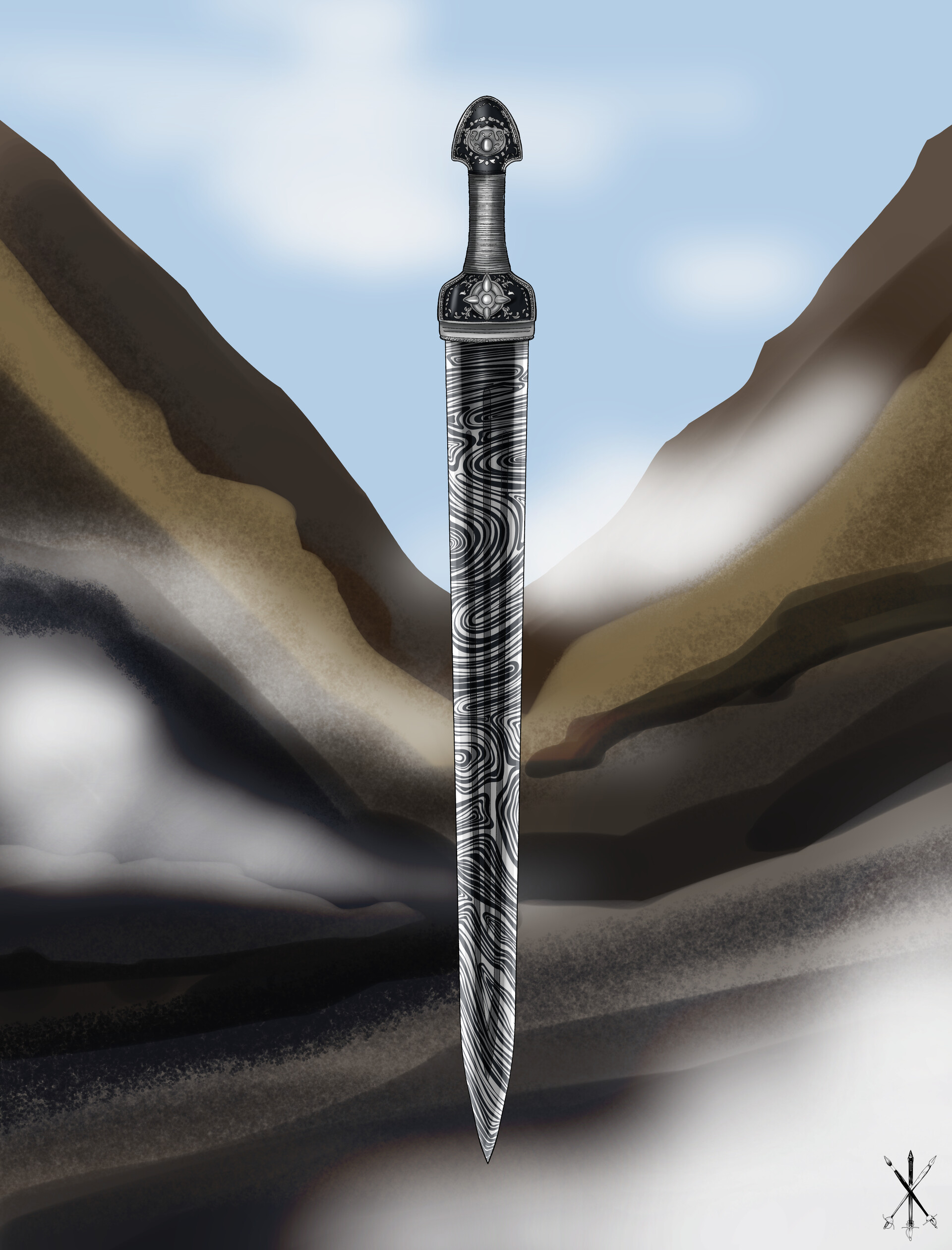
Mech kladenets: A legendary sword often appearing in Russian/Slavic mythology, made from excelent steel. Based on the khanjali dagger.

Mmaagha Kamalu: The sword of Kamalu (its literal name), the Igbo god of war from West Africa. Based on the Ida of the Yoruba people.
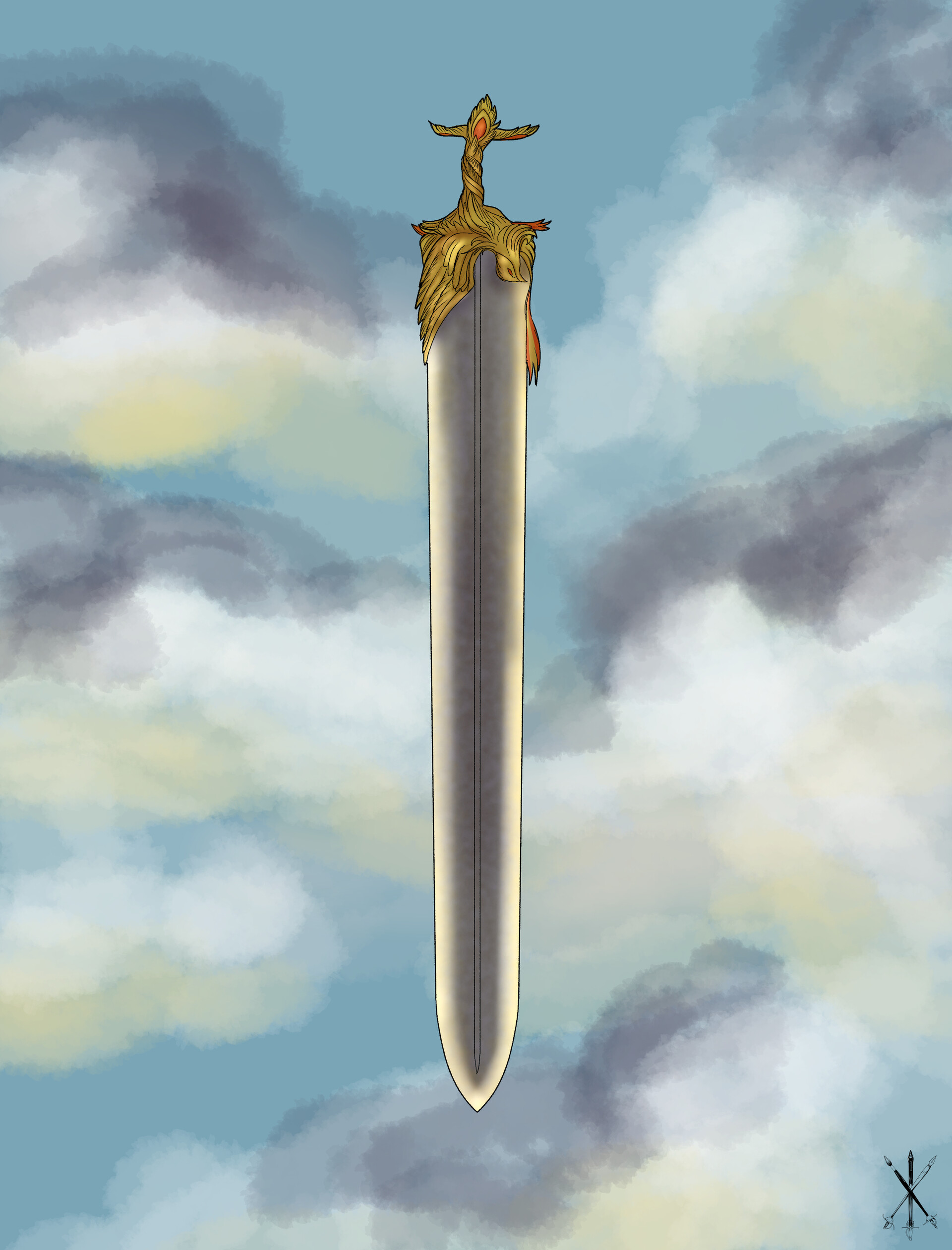
Mo Ye: The other half of Gan Jiang, this sword was made by the wife in the swordsmith couple.

Nandaka: The sword of hindu god Vishnu. Based it on the Indian patissa.
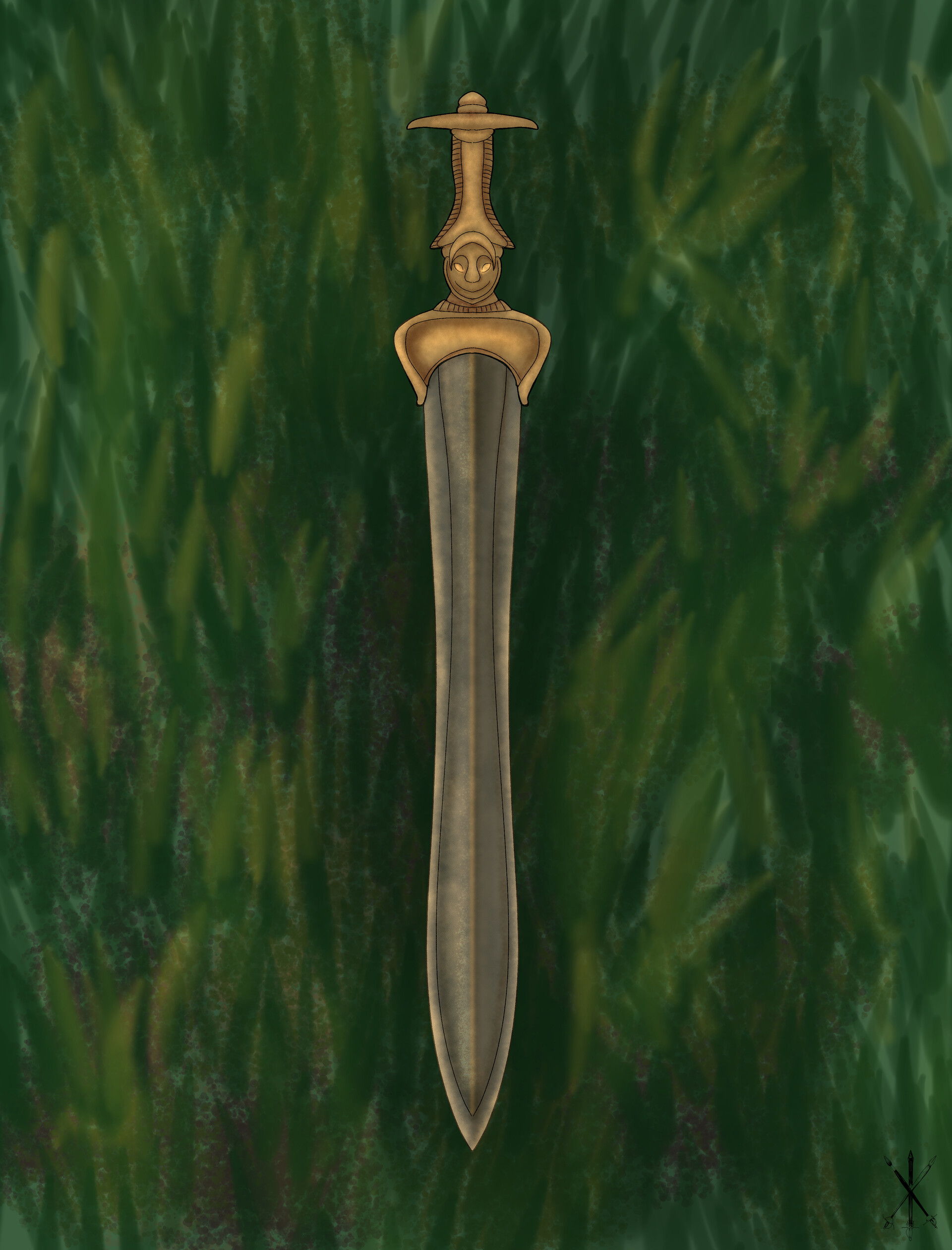
Orna: The talking sword from Irish mythology. Based on celtic swords, with a face in the handle (as some of them had) which could animate and talk under this magic.

Shamshir-e Zomorrodnegar: An important sword in Persian mythology. Based on a classic Persian shamshir.

Skofnung: An ancient Norse sword with the souls of twelve berserkr warriors trapped in it. Based on ancient Danish swords from around the 12th century.

Tengkong: Another magical sword from emperor Zhuanxu. This one had descended from the heavens and could float and move in the air, and always pointed in the direction of war. Based on jian types with a ring pommel.

Thuan Thien: A sword given to Vietnamese king Le Loi by the Dragon King. Based on Vietnamese kiem swords.

Tyrfing: A sword made by two dwarves by obligation, forced by king Svafrlami in norse mythology. Designed according to early viking era sword types, but with added spikes in the handle that could hurt the wielder.

Yawarakei-Te: Japanese sword made by the mythical swordsmith Masamune. Based on the tachi.

Zulfiqar: A very important sword in Islamic symbology and Quranic history. Based on the kilij.